What the Camel Knows
WHAT THE CAMEL KNOWS
By John Santosuoso
"Then the Lord answered me and said:
Write the vision;
make it plain on tablets,
so that a runner may read it.
For there is still a vision for the appointed time;
it speaks of the end and does not lie.
If it seems to tarry, wait for it;
it will surely come; it will not delay.
Habakkuk 2:2-3
In Morocco, I was fortunate enough to get a camel ride for a mere ten dirham. With enough bargaining, you might actually be able to buy one for five, but when traveling, I try to remember the locals need to make a living. In any case, except for getting on or off, the ride was smooth enough. While on our brief journey together, perhaps it was inevitable that I might recall the Biblical Epiphany story, which is found only in the Gospel of Matthew (Mt 2:1-12). The camels in Matthew's account have always been a favorite detail, and one wonders what those camels might have known. Camels are not remembered for good manners and gentle dispositions. However, they are rather intelligent animals. They would have to be in order to survive the challenges of being the desert's transportation system. Maybe Matthew's camels in some way were aware of the importance of their passengers and the journey they were undertaking.
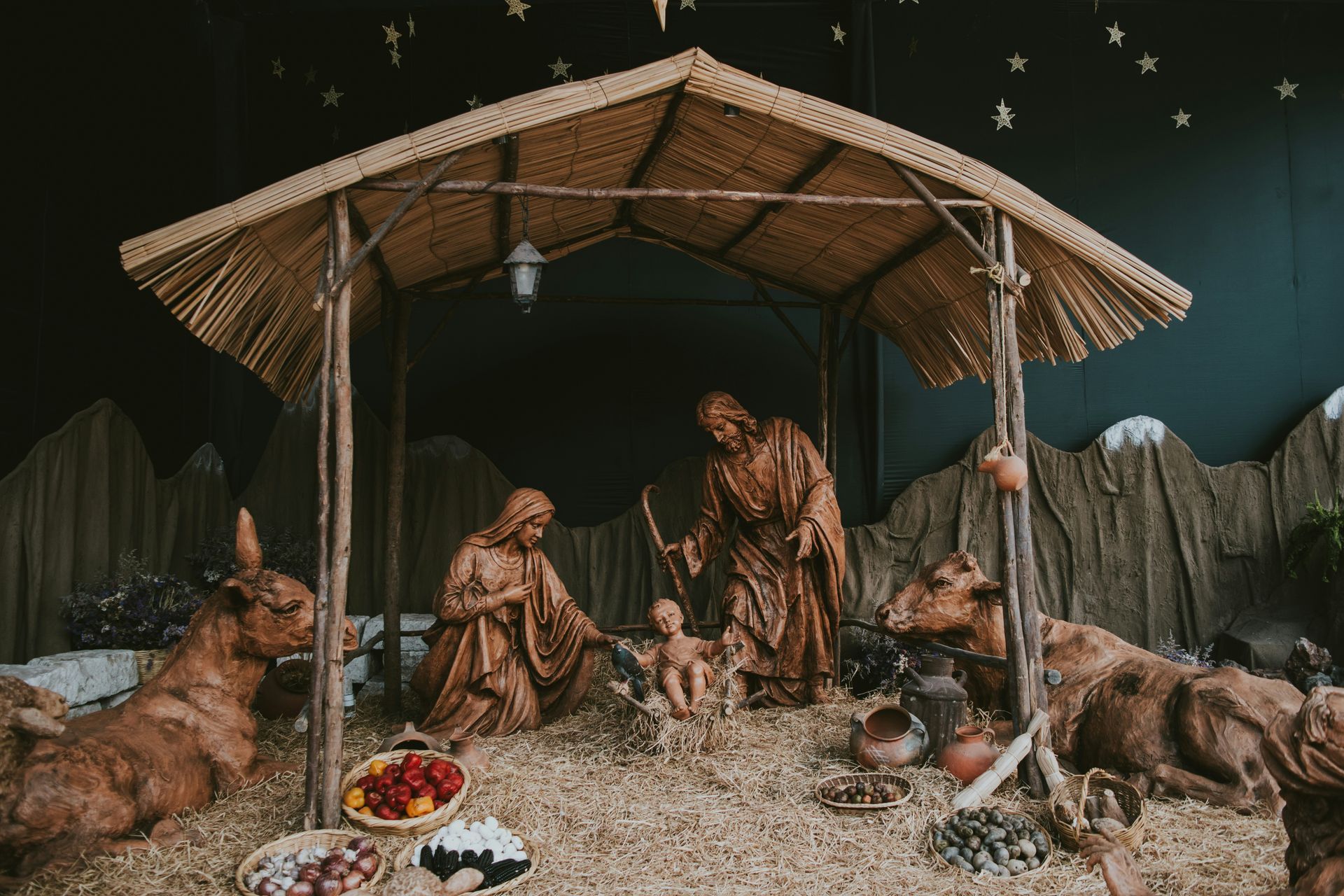
Matthew relates that the travelers were magi from the East. Those details are significant. They were astrologers and, to some extent, astronomers, whose homeland was Persia (modern-day Iran). They were not Jews, and Judaism was not the religion they would have practiced. Their presence reveals that the Christ child had been sent to heal everyone, not just a single nation. Jesus makes this clear when, later in Matthew's Gospel, he declares those who follow his teachings belong to him even if they do not know him (Mt 25:34-40). We celebrate the arrival of the magi every January 6.
The word Epiphany actually means "manifestation;" something becomes clear to us, often very suddenly, that we had not known before. Maybe the camels knew something important was about to be revealed. Maybe we have had similar experiences. If we listen and are patient, God may give us one or even more epiphanies.
Some of the details in Matthew's story do not really change it, but they can be of interest. The journey of the magi is found only in Matthew's Gospel. Although tradition claims there were three, probably because they brought three gifts, Matthew never says how many magi arrived in Bethlehem. He does say they met Jesus in a house, not a stable or at a manger, and it seems their arrival was some time after the actual birth. It is best to leave these things to the scholars for debate. What matters is the magi completed their journey.
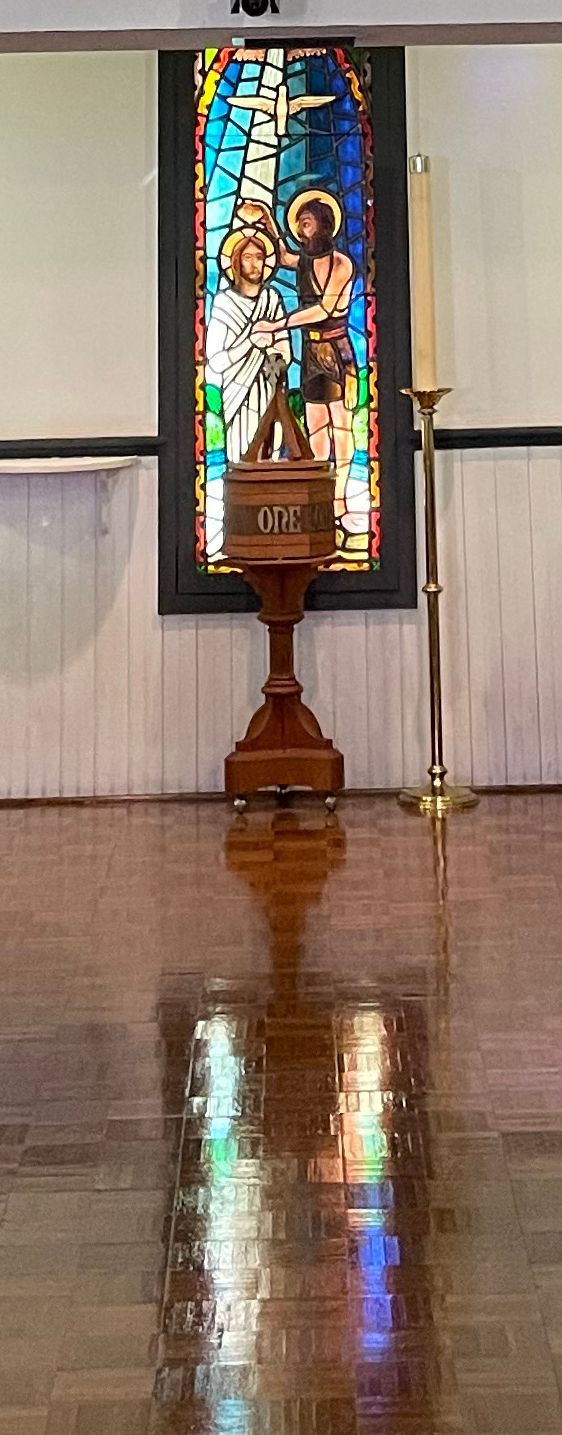
While the Eastern Orthodox churches also celebrate Epiphany, the focus is not on the magi but on the baptism of Jesus (Mk 1:9-11). That also is a manifestation of who Jesus is. God reveals Jesus is his son. At the Greek Orthodox Cathedral in Tarpon Springs, after the mass on Epiphany, the parishioners are given holy water to take home, and boys dive in a nearby grotto to recover a cross cast into the water by the bishop. We Episcopalians commemorate the baptism on the first Sunday after Epiphany.
In the days ahead, as we begin this new year, let us be open to the possibility of an epiphany. Our Lord may have a manifestation for us. What is cloudy now may become clear at some future time. We need to be hopeful, patient, and open to the possibility that some message we need is about to arrive.
As we were riding toward Cologne Cathedral in Germany, I was worried. There had been several recent occasions when pieces of stone had fallen from the roof and the walls. The Cathedral had been closed as a result. I did not know what we would find upon arrival. We were fortunate. The building had reopened. I entered in anticipation. There it was, the gold sarcophagus said to contain the bones of the magi. I did not really care whose bones those actually were. I could not help myself, and before I knew it, I was quietly singing to myself "We Three Kings." This was holy ground, a place where God might make His presence known. The manifestation came later, and not where expected, but it did come. The magi were still at their work.
ST PETER'S EPISCOPAL CHURCH BLOG